English



tubopestcontrol@gmail.com 0478 628 586
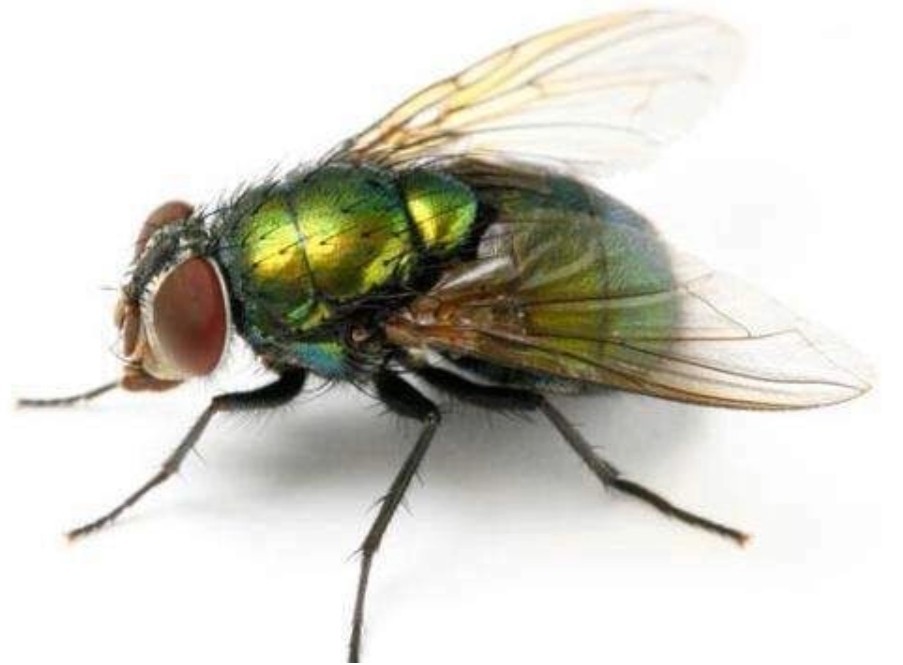

House Fly Australia
Australia House Fly
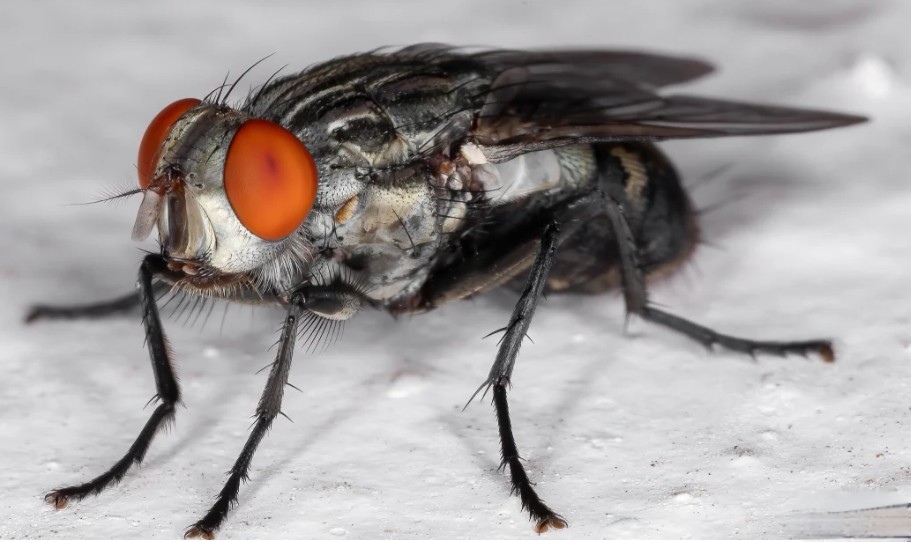
What Do Houseflies Look Like?
The typical housefly is
· Dark gray
· Between 1/8” to 1/4” long
· Has six legs and antennae
· Has a small, oval body, and two wings that overlap on their back.
Houseflies are found throughout Australia. The larvae are maggots—those creamy white-gray rice-like critters that you see wiggling around on an old banana peel in the garbage.
What Do Houseflies Eat?
Houseflies, like their many cousins, eat filthy things—such as garbage, manure, rotting fruit, and dead animals. You can reduce the number of flies that come into your backyard by making sure all dog messes are cleaned up, and your trashcan has a solid lid on it. Flies can transfer bacteria from feces to food.
Why are Flies in my House?
Flies are just trying to survive and, inside your house, flies will land on your food, soda, dog food and many other things to get a tasty meal. Anything sweet will definitely attract flies.
Can houseflies smell? Yes, they do. When flies smell something awful, like a lot of trash lying around, they will assemble in your yard or your home.
How are Flies Getting in my House?
Flies can enter homes through several common entry points:
· Open doors and windows
· Damaged screens
· Cracks and gaps around doors, windows, vents, utilities, or sealed pipes
· Plumbing systems (drain flies like to breed in moist organic matter in drains)
· Following the scents of pet food, garbage, or outdoor cooking areas
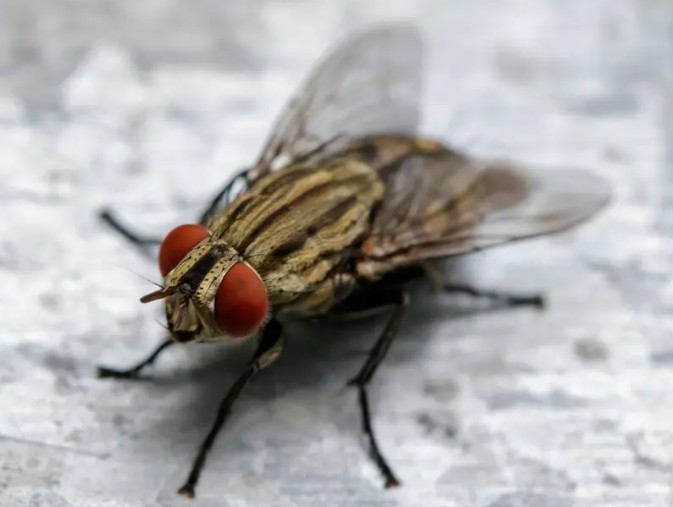
Most people do not like flies. In houses, and outdoors, seeing these pests hovering on or near your food and drinks is an unwelcome sight. However, there are thousands of species of flies in the world. Some types of flies are capable of biting, while others are merely bothersome. Additionally, flies are linked to the spread of typhoid fever, dysentery, diarrhea and food poisoning.
Flies commonly found in and around homes include the house fly, little house fly, blow flies, flesh or latrine flies, fruit flies and stable flies. In some parts of the Australia, species of bottle fly are also common. Unlike the other species of nuisance flies, stable flies are able to bite.
If you have a fly problem, there are multiple methods for fly control, but how to kill flies is not always the same as how to get rid of flies.
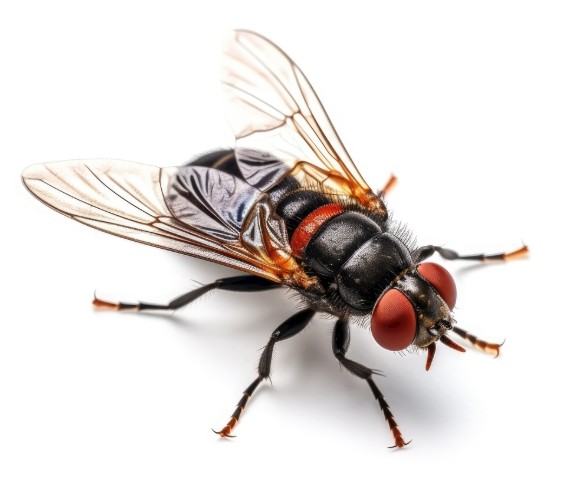
"Sanitation practices that remove breeding areas are fundamental to the control of filth-breeding flies, such as house flies and blow flies. Remove or cover garbage and clean spilled animal feed and manure. … Screening and other exclusion techniques can be an important management tool for several types of indoor fly problems. Caulk or cover all openings into a home to prevent flies from entering. Do so before flies enter buildings. For example, cluster flies rarely are found indoors until late winter and spring but typically enter buildings during late August and September. Use insecticides only as a supplement to other controls. Serious problems exist with insecticide-resistant flies and many fly populations are now difficult to control with insecticides. Spot treatments applied to areas of high fly activity are most efficient. For example, flies that tend to rest in dark corners can be controlled by applications to these areas. For cluster flies, treat upper stories of building exteriors immediately before the flies move indoors for overwintering. Permethrin is currently the most common insecticide used for fly control and is widely available."
Contact: Bill
Phone: 0478 628 586
Tel: 0478 628 586
Email: tubopestcontrol@gmail.com
Add: 36 Higgs street, Deception Bay
We chat