English



tubopestcontrol@gmail.com 0478 628 586
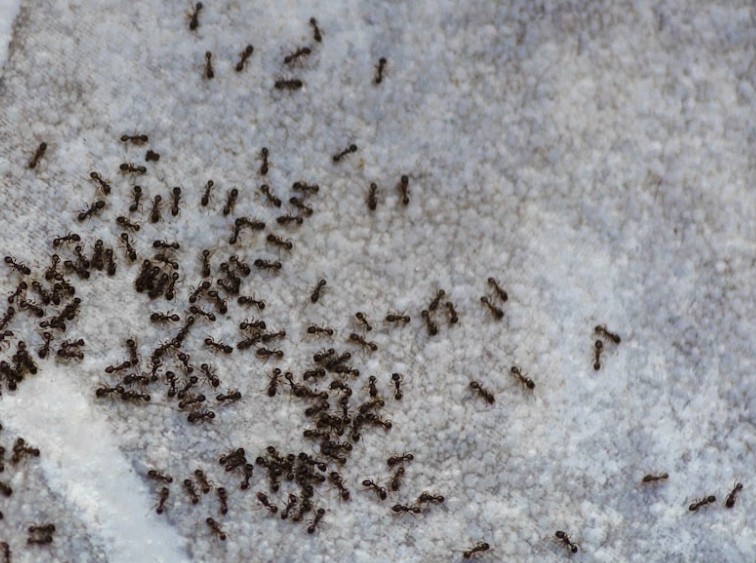

Australian Black house ants may be tiny, but don’t let their size fool you. These pests can quickly become a real problem for homeowners, thanks to their persistent foraging behavior and ability to find food sources.
Though they’re generally harmless to people, black house ants can be a nuisance, especially when they start to invade your kitchen or pantry. They’re known to form large colonies and can be challenging to get rid of without professional help.
Understanding their habits, recognizing the signs of an infestation, and knowing how to control them are essential steps to keeping your home clear. If you’ve noticed black ants scuttling around your property, it’s important to take quick action before a few ants turn into a full-blown infestation.
Characteristics
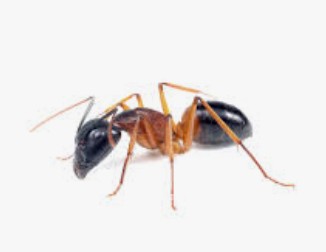
Unlike other ant species, black house ants, scientifically known as Ochetellus glaber, are small, shiny, and—true to their name—black. These ants typically measure 2.5 to 3 millimeters in length, making them easy to overlook until they form long, visible trails across countertops or along walls.
A key characteristic of black house ants is their colony structure. Colonies often include multiple queens, which allows them to reproduce and expand rapidly. This trait, combined with their strong foraging instinct, makes black house ants an effective and stubborn pest. They can navigate nearly any surface, and their preference for warm indoor environments means they can settle comfortably within homes.
Once established, they become difficult to eradicate, often requiring professional ant control services.
Identification
Identifying black house ants correctly is the first step in managing an infestation. Since other ant species, like the pavement ant may look similar, recognizing specific traits of black house ants will help target the infestation more effectively.
Habitat
Black house ants prefer warm, dry climates and are commonly found in urban and suburban areas. They often nest in soil, under rocks, and in other sheltered areas close to food sources. Inside homes, these ants are frequently found nesting in wall voids, cracks, and crevices, particularly in areas near food or moisture.
Kitchens, bathrooms, and basements are common places where these pests may settle in, creating nests inside walls or under floors where they’re difficult to access. Seasonal changes can also affect nesting behavior. During colder months, black house ants may move indoors to find warmer environments, making them a year-round pest to monitor.
Black house ants in America
Black house ants are found in some areas of Northern Florida and across Hawaii, where they thrive in urban areas, frequently invading homes and structures.
Black house ants behaviors, threats, or dangers
While black house ants aren’t physically dangerous to humans—they don’t sting or cause structural damage—they can pose other problems for homeowners:
· Food contamination: Black house ants are strong foragers and will readily invade kitchens and pantries to access food sources. Once they find an entry point, they leave trails to alert other colony members to the food source.
· Persistent nuisance: With large colonies and multiple queens, black house ants are difficult to eliminate. They can quickly repopulate even after extensive extermination efforts.
· Damage to household items: Although they don’t chew wood or cause structural harm like carpenter ants, black house ants can infest electronics, appliances, and other areas with small openings, causing occasional damage.
In addition to these behaviors, black house ants also form mutualistic relationships with honeydew-producing insects like aphids. This can cause issues in gardens and crops, as these ants protect the pests in exchange for honeydew, leading to an increase in plant damage.
Are black house ants hard to get rid of?
Black house ants can be quite challenging to remove due to their colony structure. Their nests often contain multiple queens, so simply targeting one area may not fully eliminate the infestation.
DIY methods like sprays and traps often fail, as these ants can relocate to avoid threats and resume their foraging routes in different parts of the house.
It’s best to prevent an infestation from occurring in the first place, though that’s not always possible – especially in the warmer months. A professional pest control service is usually recommended if you find your home infested with ants.
Our team at Ehrlich Pest Control is thorough. We identify the location of ant nests, including those hidden in wall voids or other hard-to-reach areas, and create a targeted treatment plan to eradicate the colony.
How many black house ants count as an infestation?
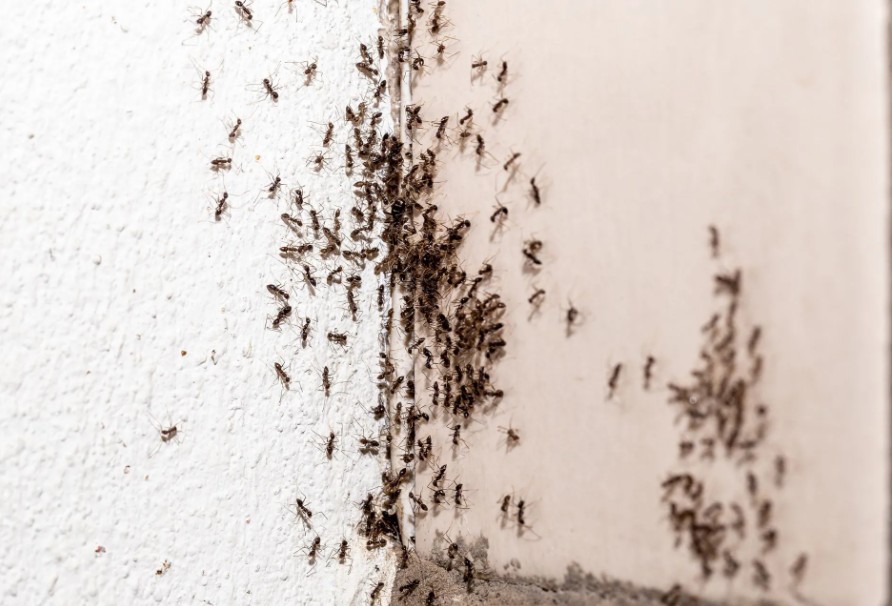
Even spotting a few black ants indoors can signal a larger problem, as these ants are skilled foragers. A single trail of ants usually means there’s a well-established colony nearby.
Black house ant colonies can contain thousands of individuals, so seeing multiple ants near food sources or in other parts of the home often points to an infestation. If you’re seeing ants regularly, especially in kitchens or bathrooms, it’s likely time to address a possible black ant infestation.
Contact: Bill
Phone: 0478 628 586
Tel: 0478 628 586
Email: tubopestcontrol@gmail.com
Add: 36 Higgs street, Deception Bay
We chat